If you live with IBD or ulcerative colitis, meals can feel stressful fast. During more sensitive periods, simple foods often work better than raw vegetables, beans, spicy sauces, or heavy fried meals.
This guide shares gentle menu ideas built around common starting points like eggs, salmon, white rice, potatoes, bananas, applesauce, cooked carrots, zucchini, broth-based soups, and smooth nut butters. These are not universal safe foods, but they can be useful when you want meals that feel simpler, softer, and easier to repeat.
Breakfast menu ideas
1. Soft scrambled eggs, white toast, and banana
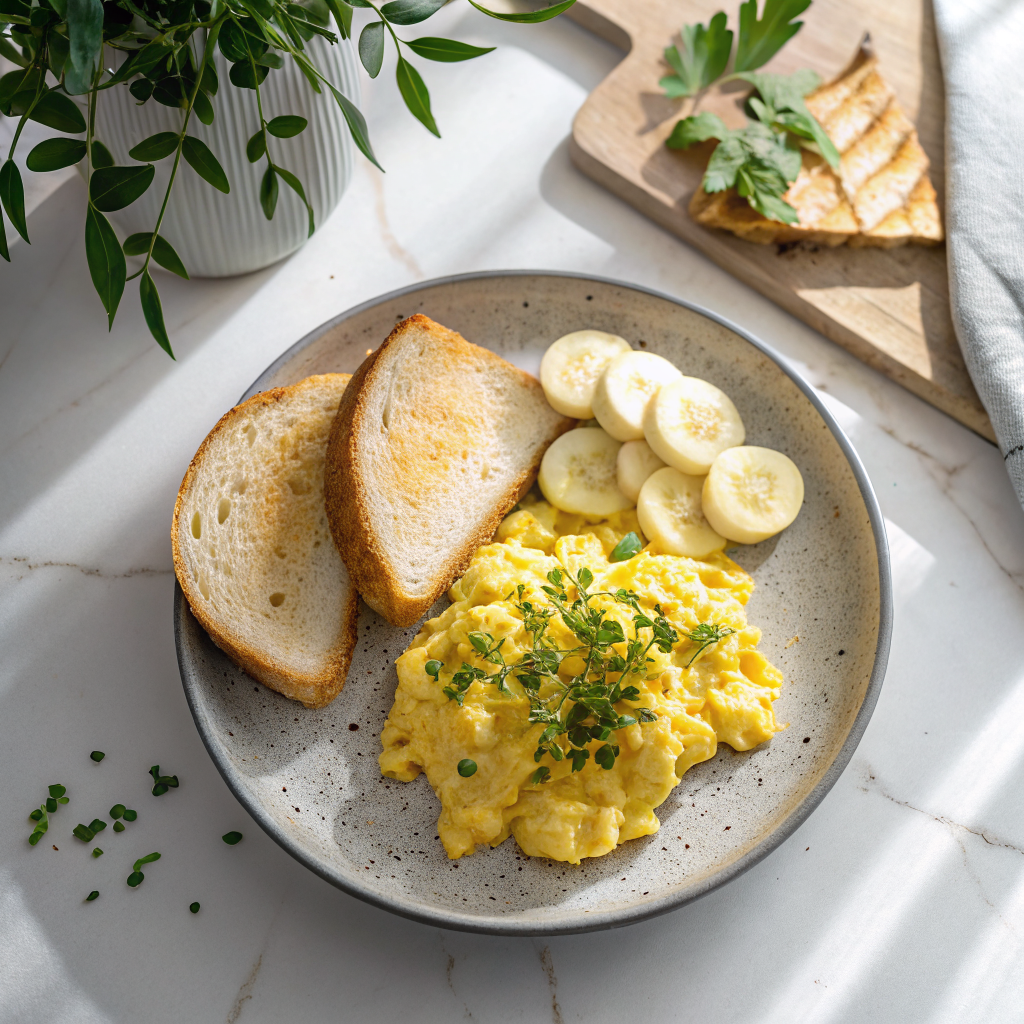
This is one of the most practical IBD friendly breakfasts because it is simple, quick, and gentle in texture.
Why it may work: eggs are a common protein source during flare periods, white toast is often easier than high-fiber breads, and bananas are one of the most commonly tolerated fruits.
2. Oatmeal with banana and smooth peanut butter
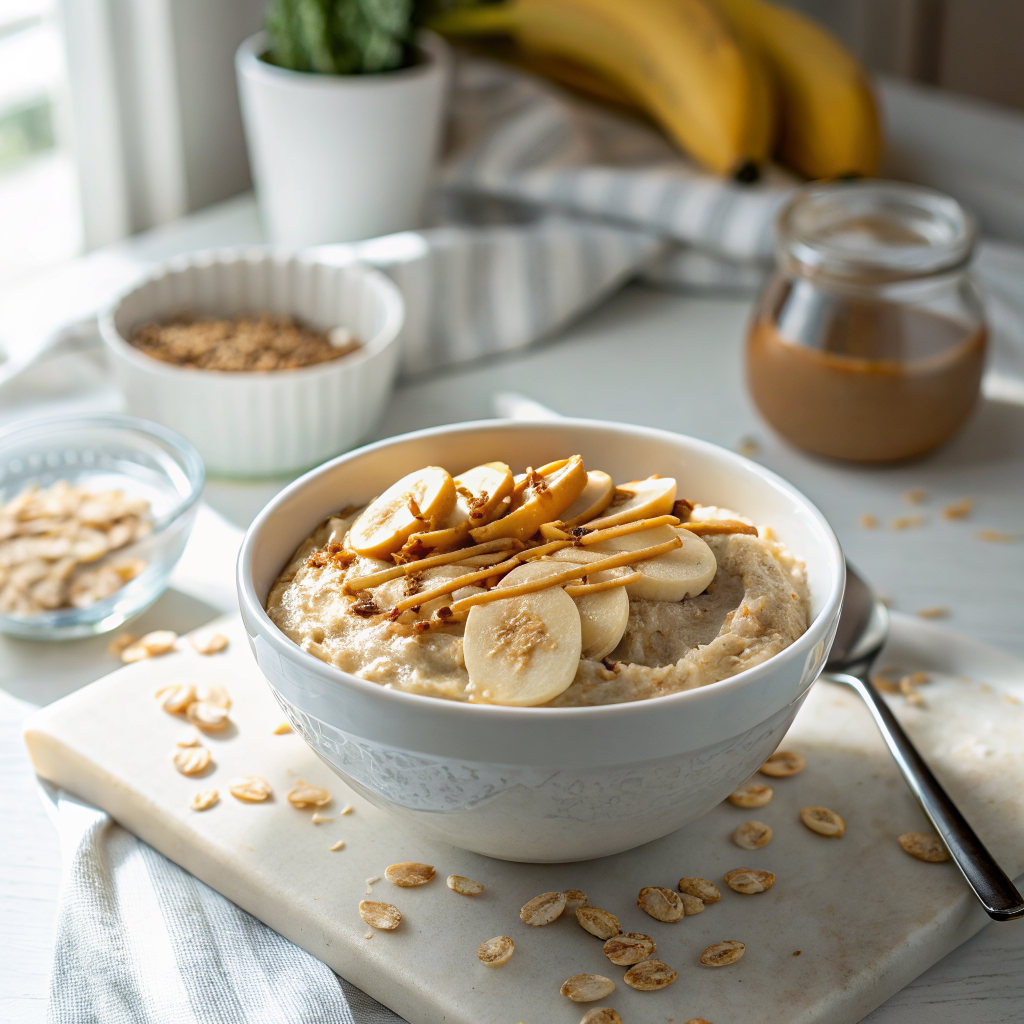
This breakfast works better for some people during stable periods than during an active flare, but it is still one of the more realistic gentle healthy breakfasts.
Why it may work: oatmeal can feel softer than rough whole grains when cooked well, banana adds calories and texture, and smooth peanut butter is usually easier than whole nuts.
3. Boiled eggs with toast and applesauce
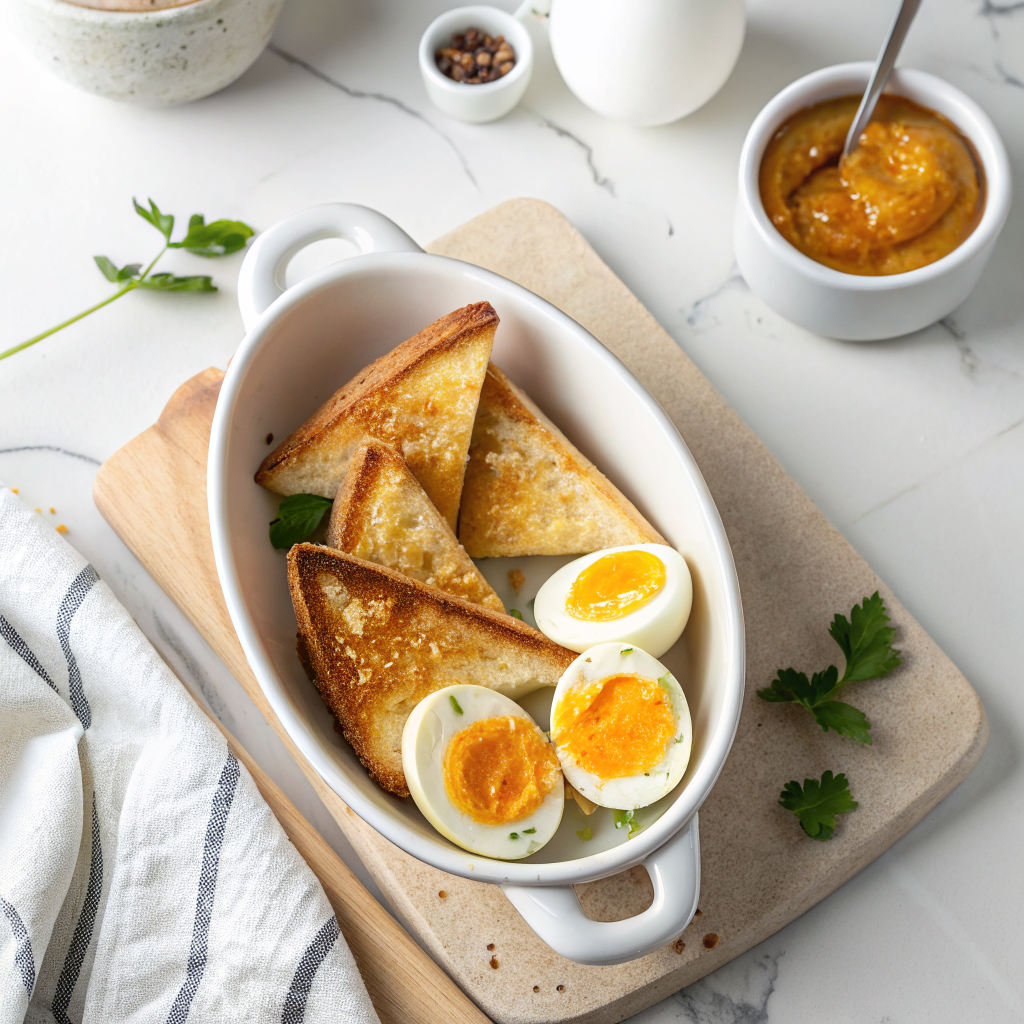
This is a good low-effort breakfast for days when appetite is unpredictable and you want something plain.
Why it may work: boiled eggs are simple and portable, toast is easy to keep on hand, and applesauce is often easier than raw fruit.
Lunch menu ideas
4. Chicken and rice soup with cooked carrots and zucchini
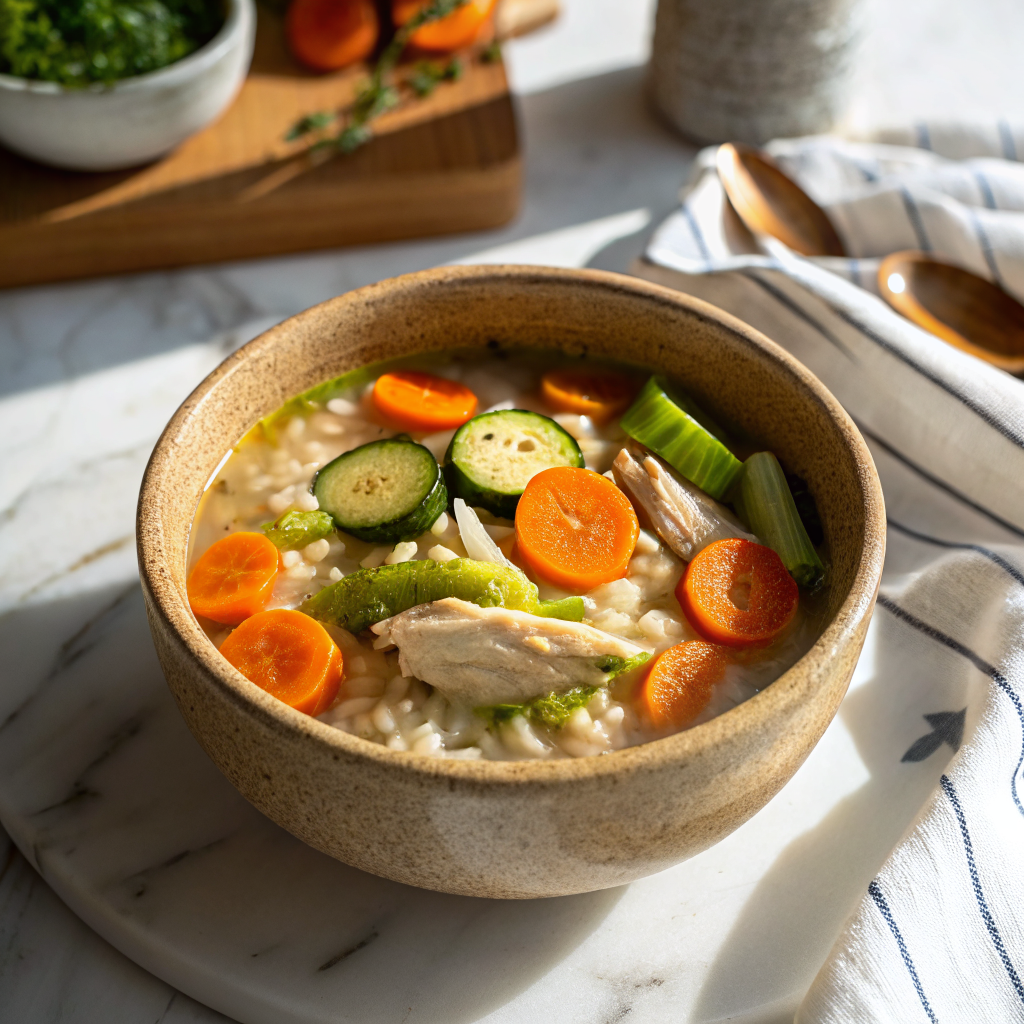
Soup is one of the most consistently mentioned safe meal formats in IBD and UC discussions. It is warm, hydrating, and easy to portion.
Why it may work: broth helps support hydration, chicken adds protein without a lot of grease, and cooked carrots and zucchini are often easier than raw vegetables.
5. Salmon rice bowl with cooked zucchini
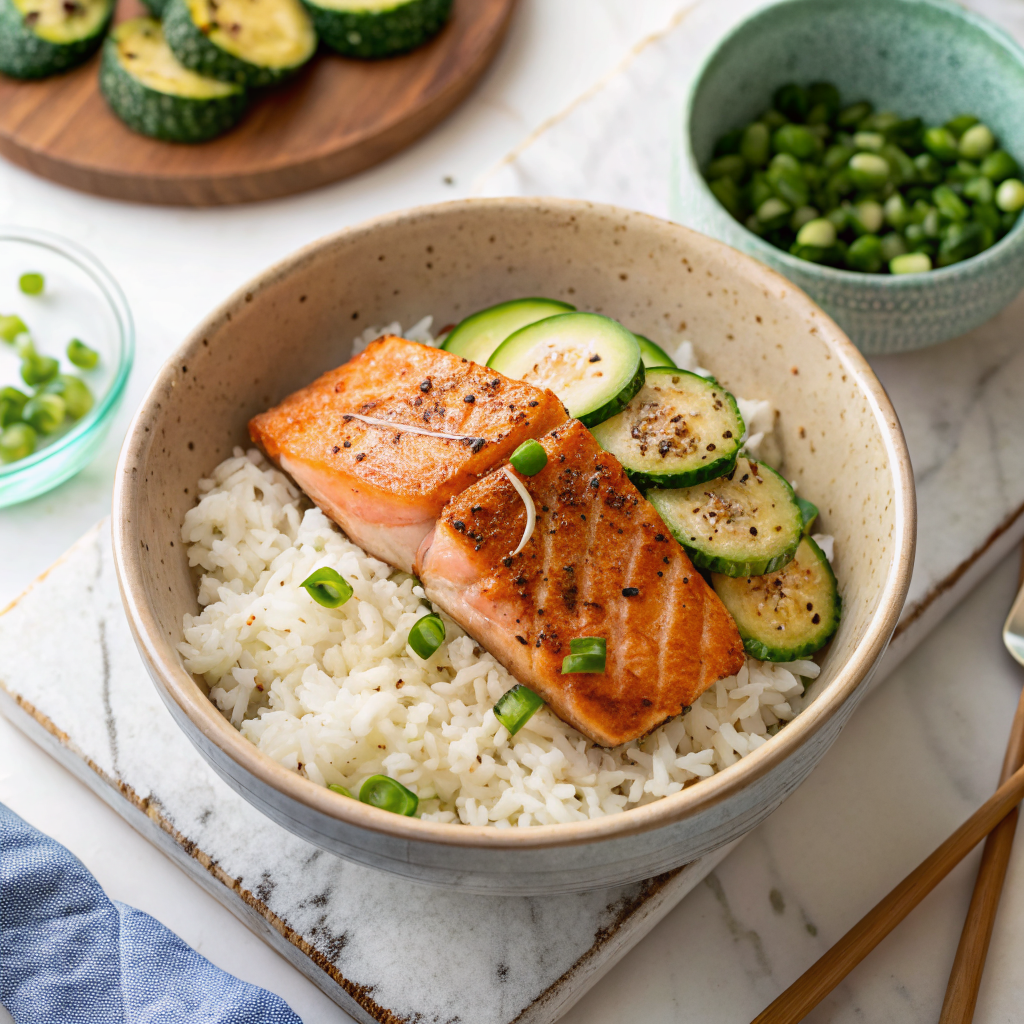
This is a good example of a lunch that still feels balanced without becoming too heavy or too complicated.
Why it may work: salmon is a softer protein that many people prefer over heavier meats, white rice is one of the most common flare-friendly starches, and cooked zucchini is often tolerated better than raw vegetables.
6. Baked potato without skin with scrambled eggs
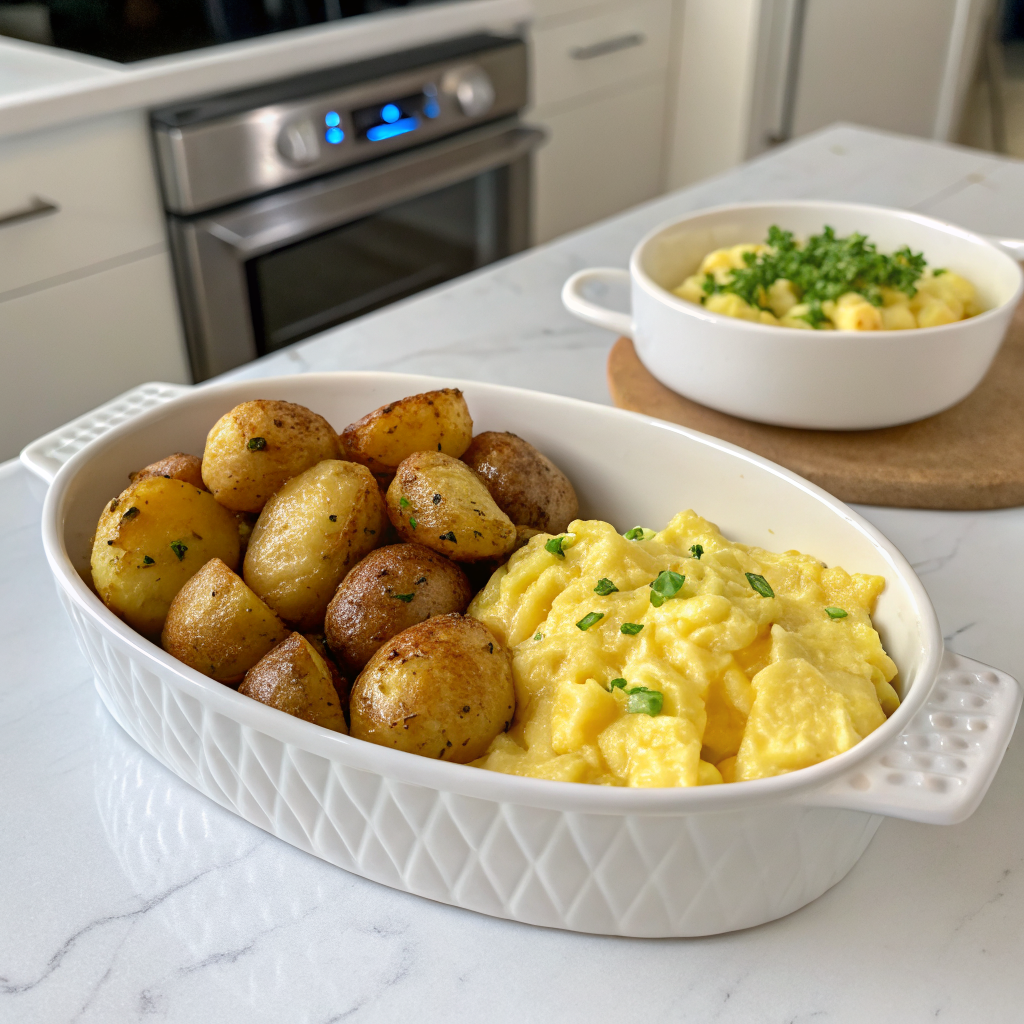
This is a very practical option for home lunches when you want something filling but still simple.
Why it may work: potatoes are one of the most common gentle starches, removing the skin lowers rough texture, and eggs add protein without making the meal too rich.
Dinner menu ideas
7. Baked salmon, white rice, and cooked carrots
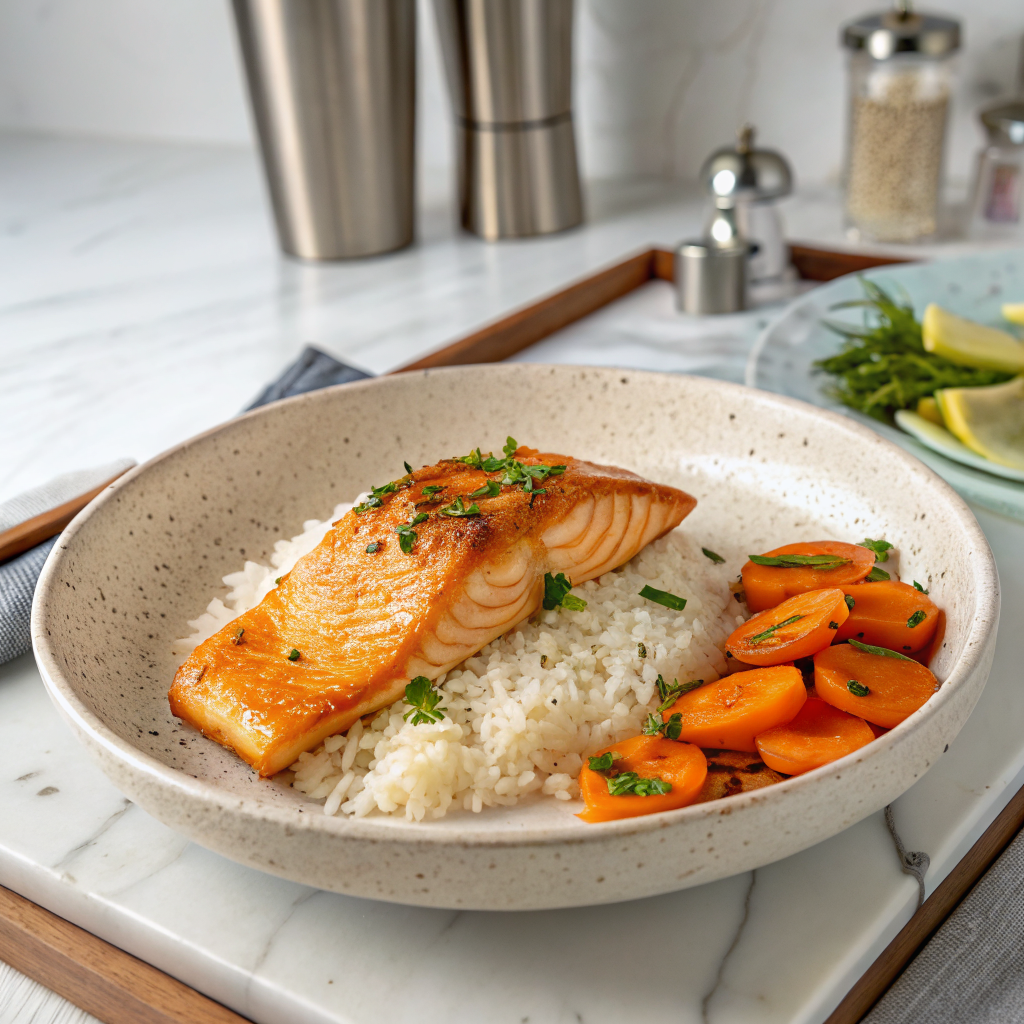
This is one of the best examples of an IBD or UC friendly dinner that still feels like a complete meal.
Why it may work: salmon gives protein and healthy fats, white rice is simple for many people, and cooked carrots are softer and easier than raw vegetables.
8. Chicken, mashed potatoes, and peeled cooked zucchini
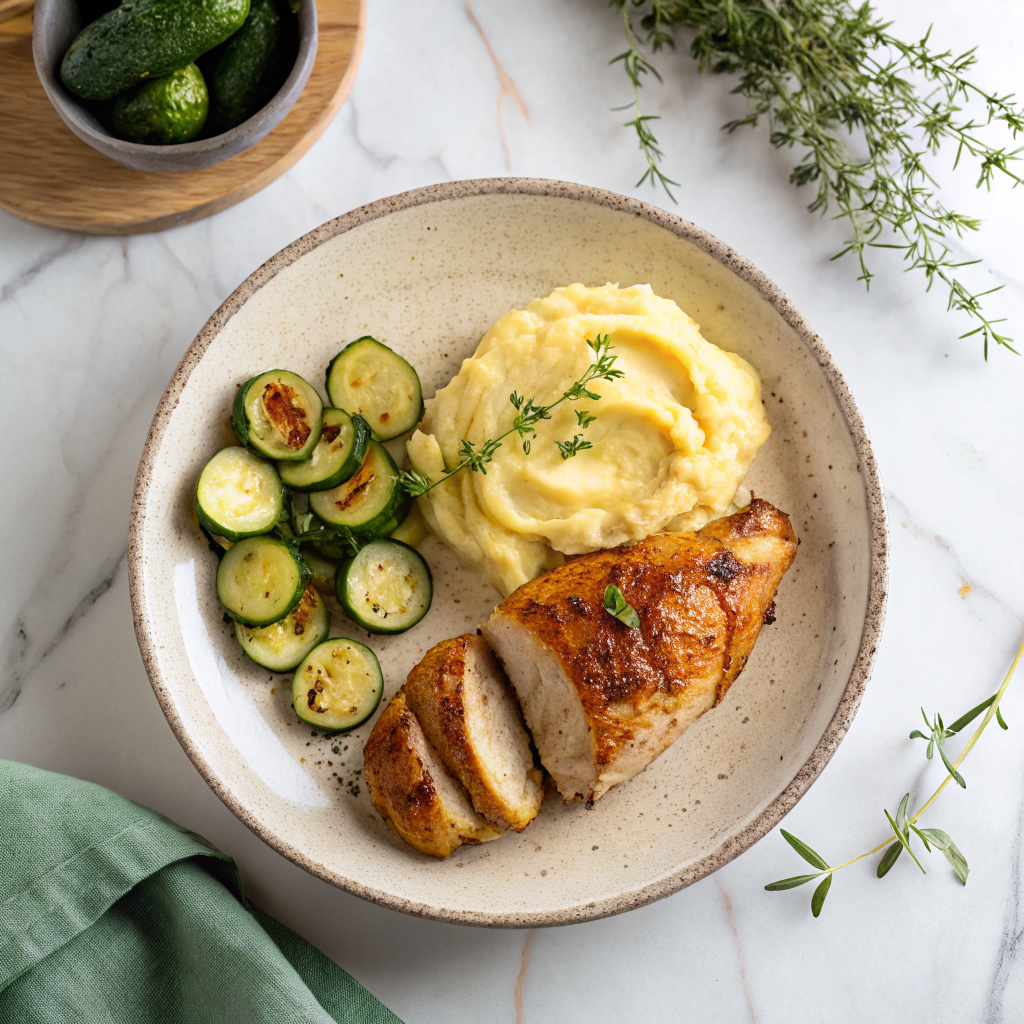
This dinner works well when you want something warm, soft, and less likely to feel irritating.
Why it may work: mashed potatoes are often easier than rough grains or high-fiber sides, chicken is a reliable protein option for many people, and peeled zucchini keeps the vegetable portion gentle.
9. Blended carrot and potato soup with shredded chicken
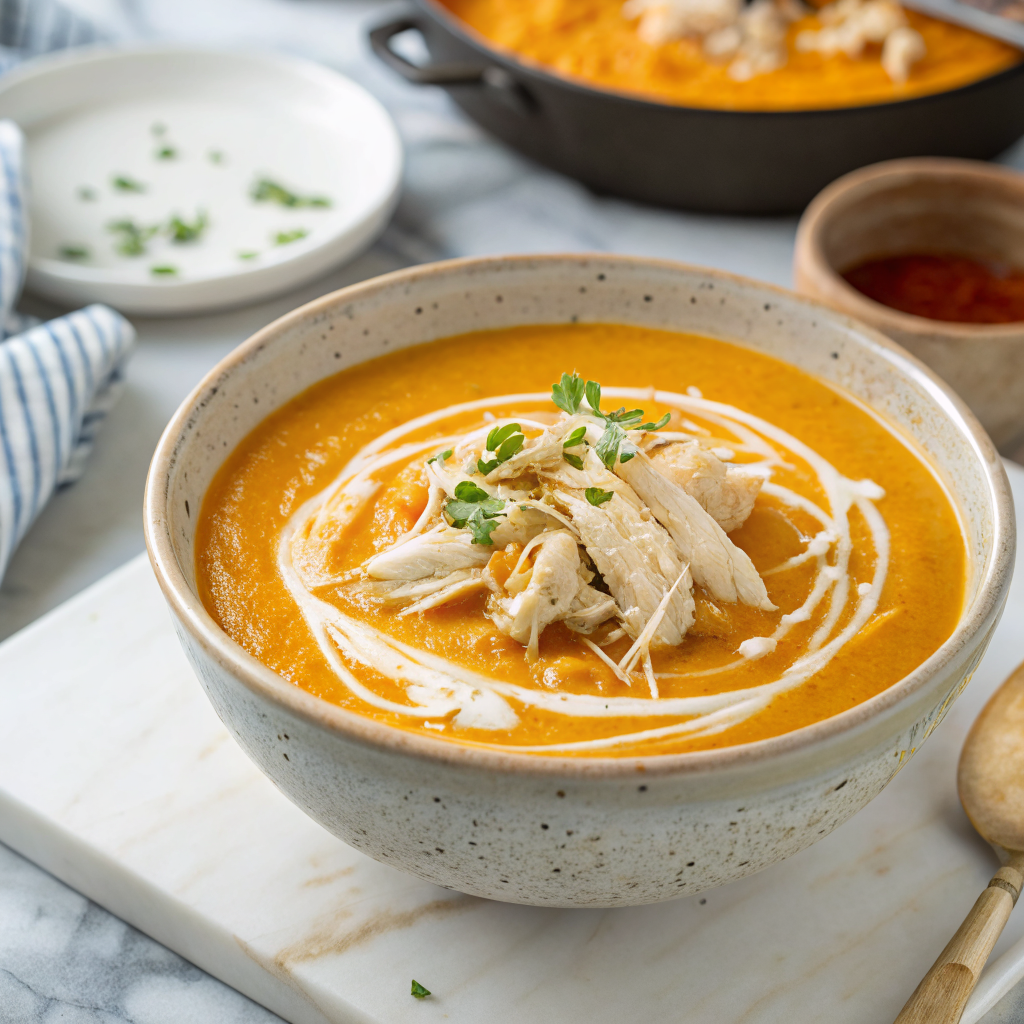
Texture matters a lot for many people with IBD and UC. A blended soup can be much easier to tolerate than the same ingredients in a more fibrous form.
Why it may work: blended soups are easier to chew and digest, potatoes and carrots are common starter ingredients, and shredded chicken adds protein while keeping the texture soft.
Snack menu ideas
10. Banana with smooth peanut butter
This is one of the easiest higher-calorie snacks to keep around.
Why it may work: banana is commonly tolerated and smooth peanut butter adds calories without the roughness of whole nuts.
11. Applesauce and toast
This is a very simple snack, but sometimes simple is exactly what works best during a flare or low-appetite day.
Why it may work: both foods are easy to keep at home, the texture is soft and familiar, and it works well as a mini meal too.
What makes a menu more IBD or UC friendly?
In real life, the menus that feel easier during symptom-heavy periods often have a few things in common:
- fewer ingredients
- softer textures
- cooked, peeled, or blended vegetables
- moderate portions instead of very large meals
- less grease, spice, and rough fiber
- familiar ingredients that are easy to repeat
That is why a plate like salmon, rice, and cooked carrots can work better than a bowl full of raw greens, seeds, beans, and spicy dressing, even if the second one looks more healthy on paper.
A reminder: friendly does not mean universal
No menu is safe for everyone with IBD or UC. The best menu ideas are often just starting points.
A meal that feels easy during remission may not work during a flare. A food that is fine for one person may be a trigger for someone else. That is why it helps to test gently, keep the ingredient list simple, and pay attention to repeat patterns instead of one-off reactions.
Final takeaway
The best IBD and UC friendly menu ideas are simple, gentle, and realistic. Breakfast may look like eggs, toast, and banana. Lunch may be chicken and rice soup or a rice bowl with salmon. Dinner may be baked salmon with rice and cooked carrots, or mashed potatoes with chicken and zucchini. Snacks may be applesauce, toast, bananas, or smooth nut butter.
They may not be trendy wellness meals, but for many people with IBD or ulcerative colitis, they are much more practical when symptoms are active. Tools like Hara can help you track which of these meal patterns actually fit your own body over time.
FAQ
Gentle breakfast ideas may include soft scrambled eggs, white toast, banana, oatmeal cooked until soft, applesauce, or boiled eggs with toast.
Many people do better with simple lunches such as chicken and rice soup, a salmon rice bowl with cooked zucchini, or a baked potato without skin with eggs.
They can be useful starting ingredients for some people because they are often simpler and gentler in texture, but tolerance still varies from person to person.
Menus often feel easier when they use fewer ingredients, softer textures, cooked or peeled vegetables, moderate portions, and less grease, spice, and rough fiber.